
Can you tell which photos are AI-generated?
My hypothesis: AI can now create images that humans are unable to tell are generated.
I wanted to test this with a simple experiment—an image picking game of human faces, something we all see no matter where we live. Four images. Some real, some AI. I asked people in person and online.
I intentionally picked a set of images that "should" be obvious if you look but may trip people up. Spoiler: this worked on a lot of people!
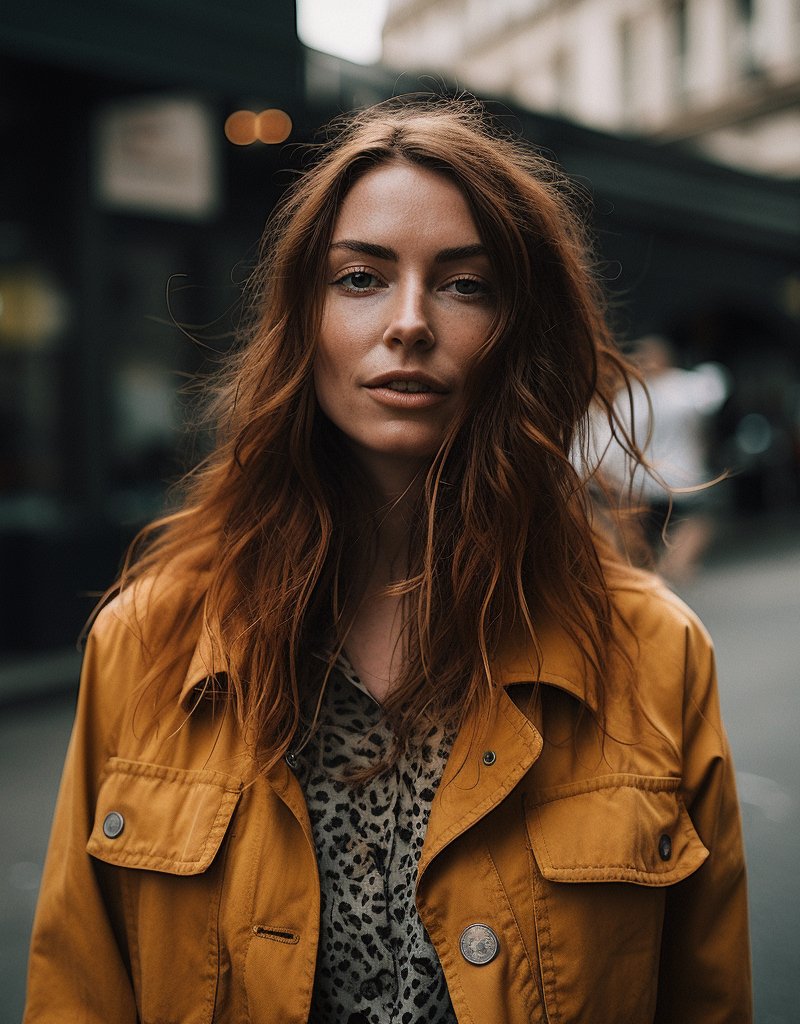
Here they are. Which one of these was generated by AI?
 1
1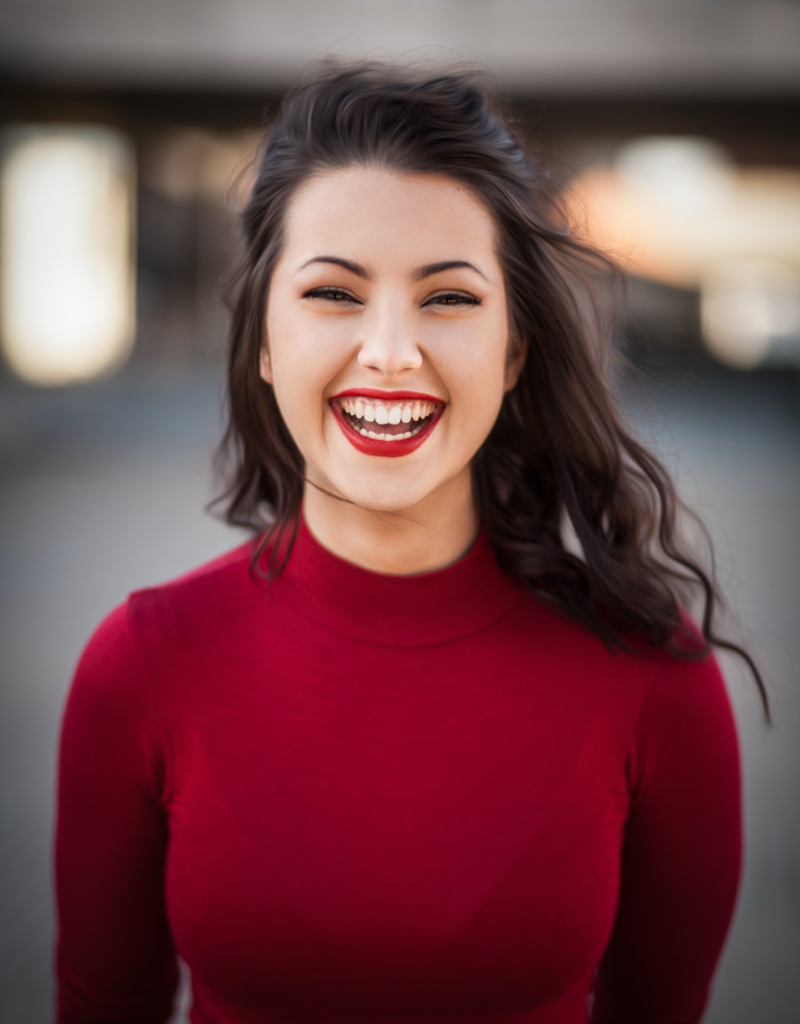 2
2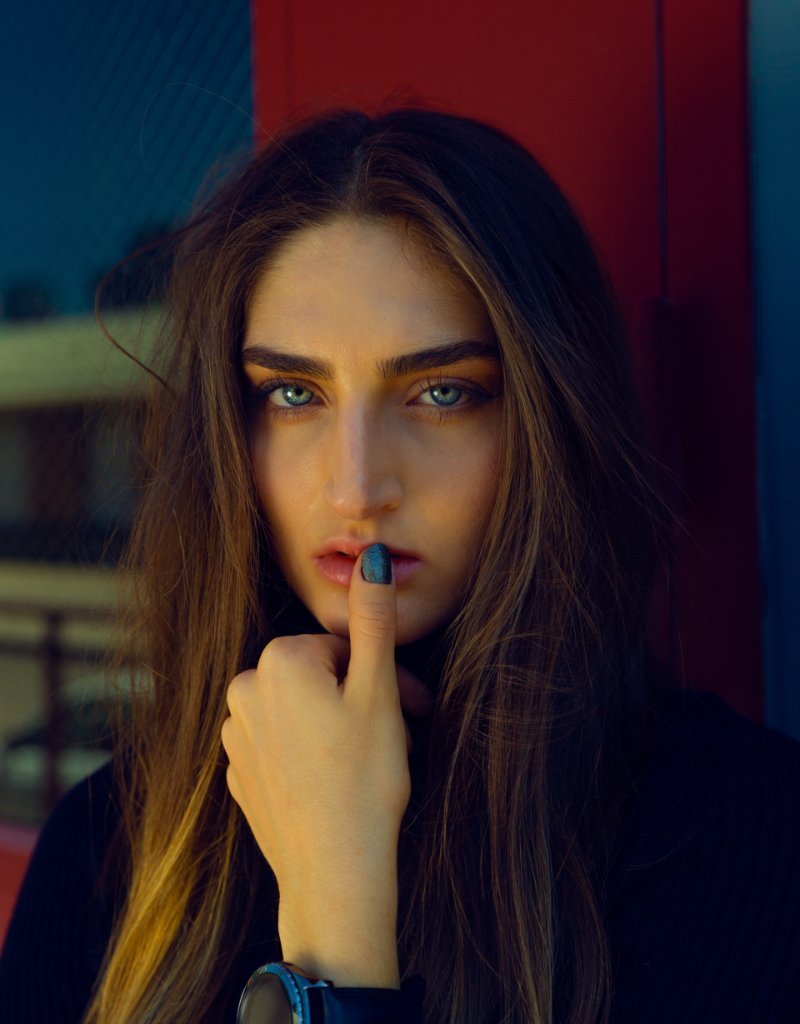 3
3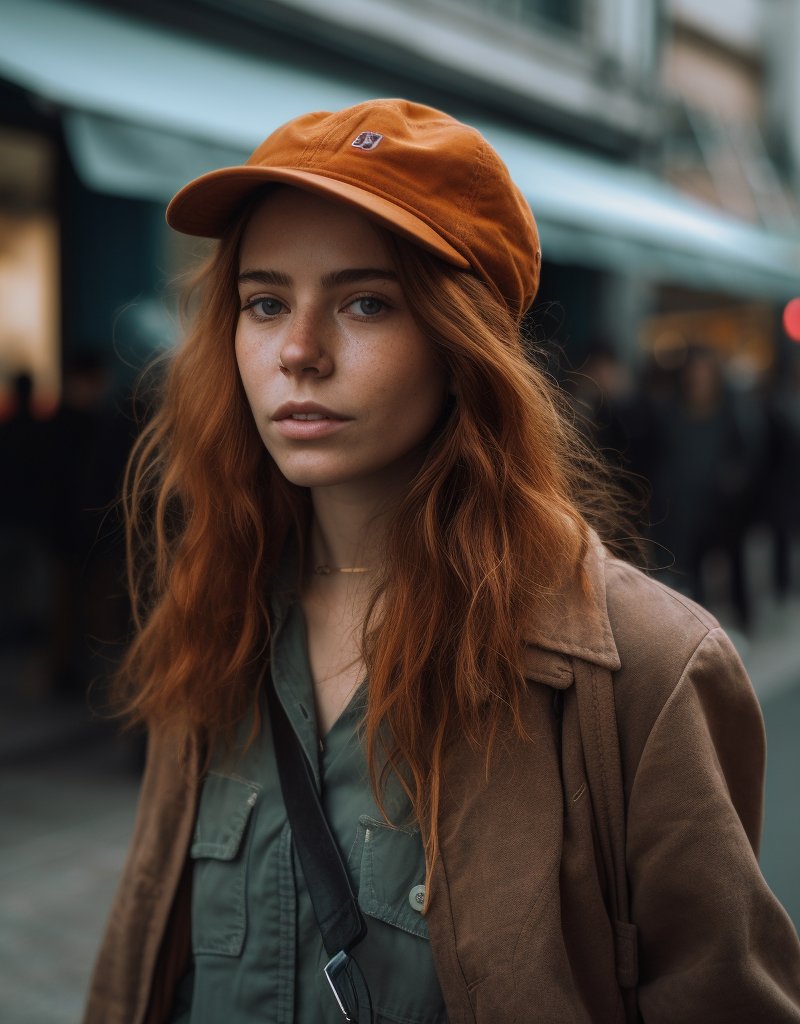 4
4Take your guess before you keep reading. Here is a sample of what people replied with:
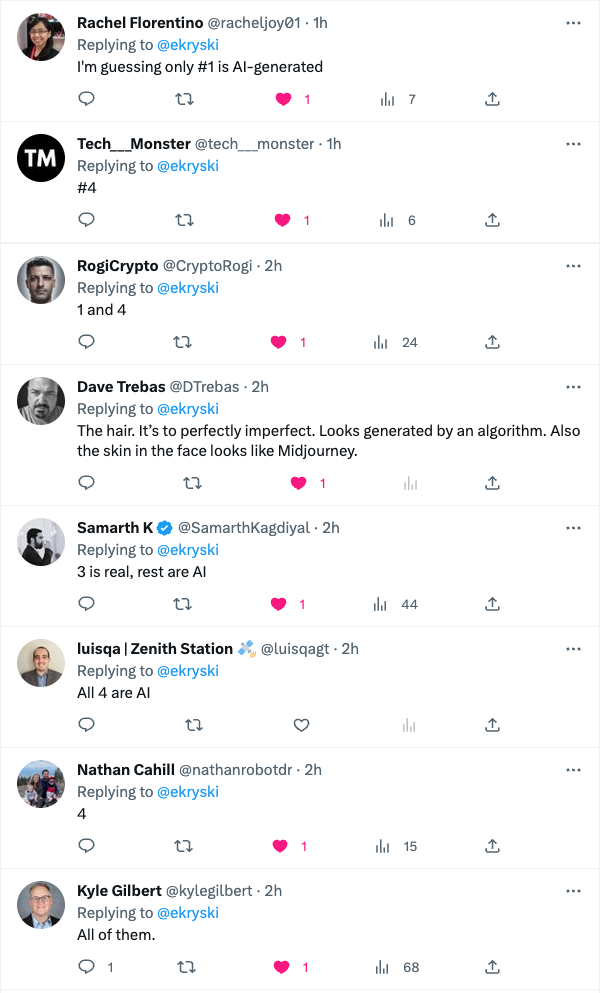
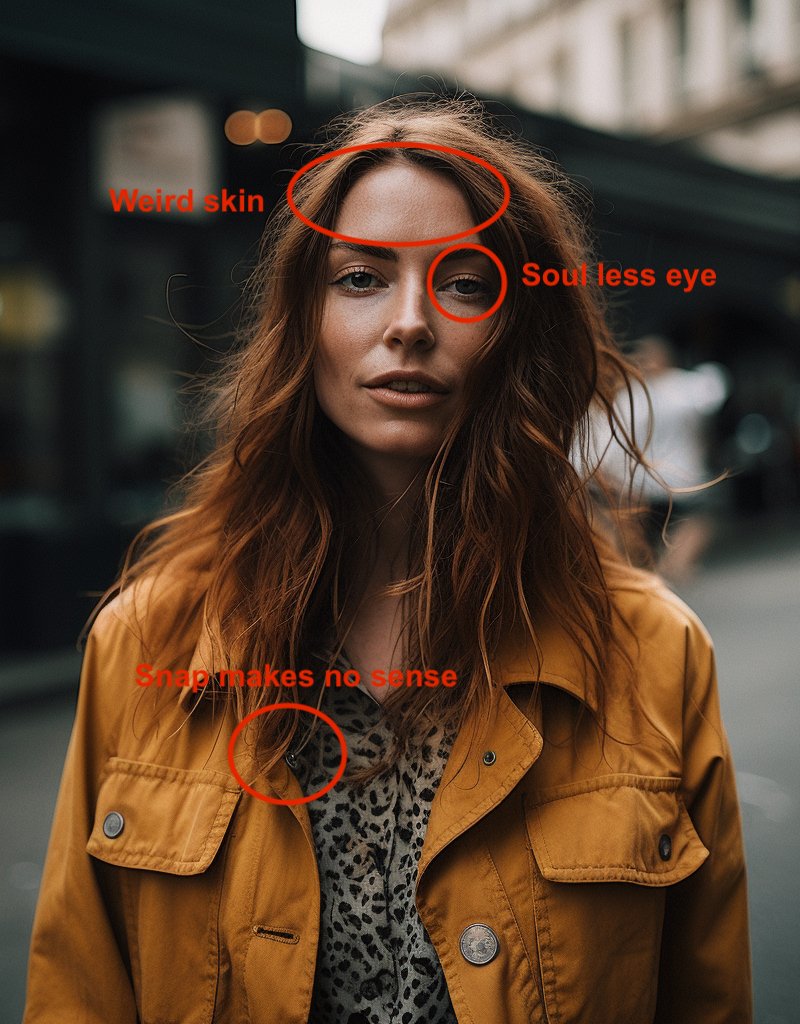
The real ones were 2 and 3. Images 1 and 4 were generated by Midjourney v5 using a simple prompt: "street style photo of a woman, shot on Fujifilm Pro 400H".
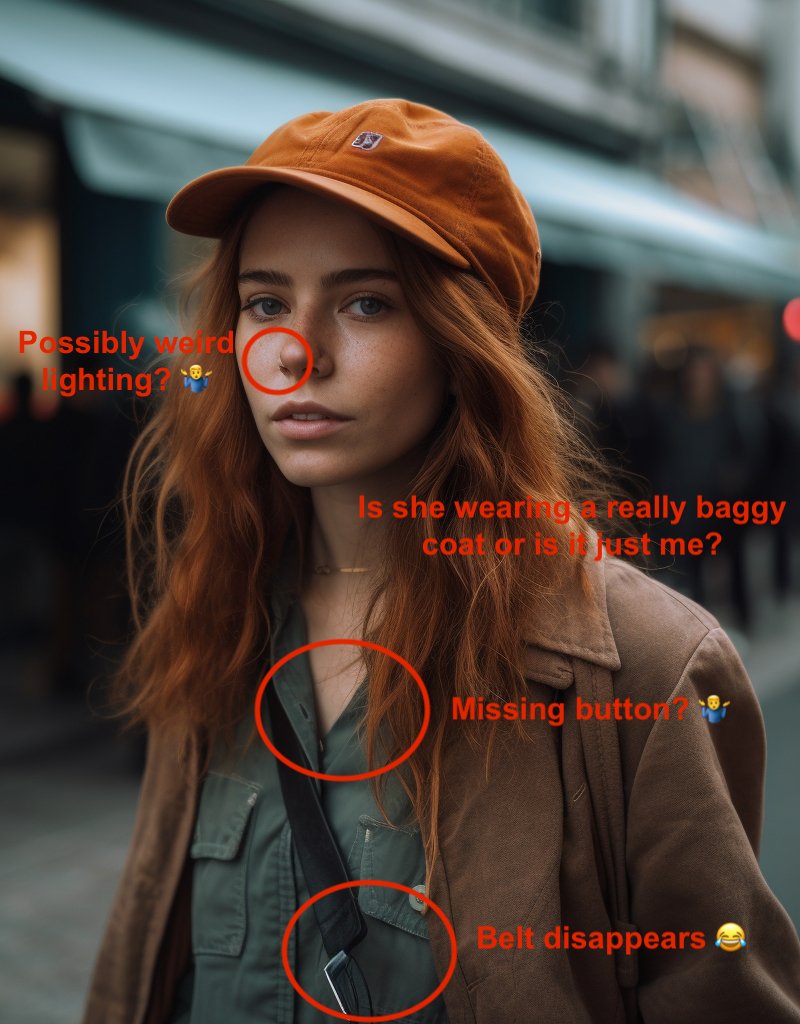
Image 2 was shot by Michael Dam in 2017—a popular photo from Unsplash. Image 3 was shot by Ayo Ogunseinde in January 2021, also from Unsplash.
The tells are there once you know to look for them:
By the time I stopped counting responses, out of 124 online and offline respondents only 20 got it fully right. 84% of people either missed an AI image or labelled at least one incorrectly.
Put another way, 84% couldn't tell if an image was a real person or generated by AI.
I regret my original phrasing—I intentionally phrased it as "which one of these was generated by AI?" to sow some seeds of doubt. I should have said "which of these" to reduce bias. If we include people who guessed only one AI image correctly, we get to 68% who got at least one wrong. So only 1/3 of people were able to get it fully right.
And this was the easy one!
When attention is fleeting and everyone is searching for the next dopamine hit on Instagram, Twitter or TikTok, this proved we've reached the point where we can generate AI images that can pass as real ones. Especially as people swipe left and right hundreds of times a minute.
It's wild that within months we've gotten to a point where AI image generation is so good that I can describe the shots I'm looking for and get images that would pass as real, for pennies and within minutes.
Huge congrats to Midjourney on this accomplishment. After lurking in their Discord, it's clear this has unlocked the creative potential for so many people. Myself included.
The ability to create whatever you can dream wasn't attainable before unless you had enough money, skill or time. That's changed now!
I'm terrible at drawing. Really bad. When I was young I was tested for IQ and aptitude. One area I performed terribly in was translating what's in my head into reality. It's always been a struggle. Hence why I mostly write code and memos!
I never thought I could even describe all the things in my head, let alone create them myself. I had given up on drawing and painting because, frankly, it was embarrassing, frustrating and demoralizing.
Now it feels like Midjourney has given me super powers!
Tools like Midjourney, Stable Diffusion and ChatGPT have brought myself and many others a lot of joy because of how accessible they've made doing things that previously felt impossible. In a world where doom dominates the news cycle, that's huge!
But I also have mixed feelings.
I don't think this destroys traditional photography entirely but it's certainly going to have an even more disruptive and democratizing effect on the visual art community than the DSLR camera, computer and smart phone have.
So I empathize with the fear or concern a visual artist may have about becoming irrelevant. I have some of the same fear about whether my software development and memo writing skills will be irrelevant soon too.
And I'm really concerned about how AI generated images could lead to even more effective romance scams, spam, phishing and other malicious activity that erodes trust and widens the holes in our social fabric.
I'm reminded of a conversation I had with Harmit Singh, the CFO of Levi Strauss, when I was in Davos in January of 2020. Among the many themes at the World Economic Forum that year was how AI might affect the workforce.
Harmit was very gracious with his time and very thoughtful. One of the things he said has really stuck with me:
"I've noticed that [with AI and other new tech] 1/3 of the people invent new things, 1/3 use it to be more productive, and sadly, 1/3 just don't seem to be able to adapt no matter what training we do." — Harmit Singh, CFO Levi's
Which reminds me of another infamous quote: "If you don't adapt, you die."
In hindsight, this AI issue certainly didn't get as much focus as it should have because, like me, most people thought AI displacing jobs was still a long way off. It turns out we were wrong.
I certainly hope the advancement of AI doesn't literally result in death, but we're all going to start to find out together...
Over the last few months I've taken that quote to heart and with 1 part curiosity and 1 part self-preservation instinct I've gone deep down the AI rabbit hole.
People will need to adapt to this new technology. If 1/3 can't, that's a big problem. Is he wrong? If not, how do we lower that number?
I would love to know what you think. Are you an AI optimist or pessimist? How do we help displaced people find their purpose or passion and still pay the bills?
One thing I do know is AI is going to change the world as we know it. It's coming hard and fast whether we like it or not. In what way? I don't think we fully know yet.
But those that adapt will thrive. Those that don't, well, that's something we need to decide.
Stay up to date
Get notified when I publish something new, and unsubscribe at any time.